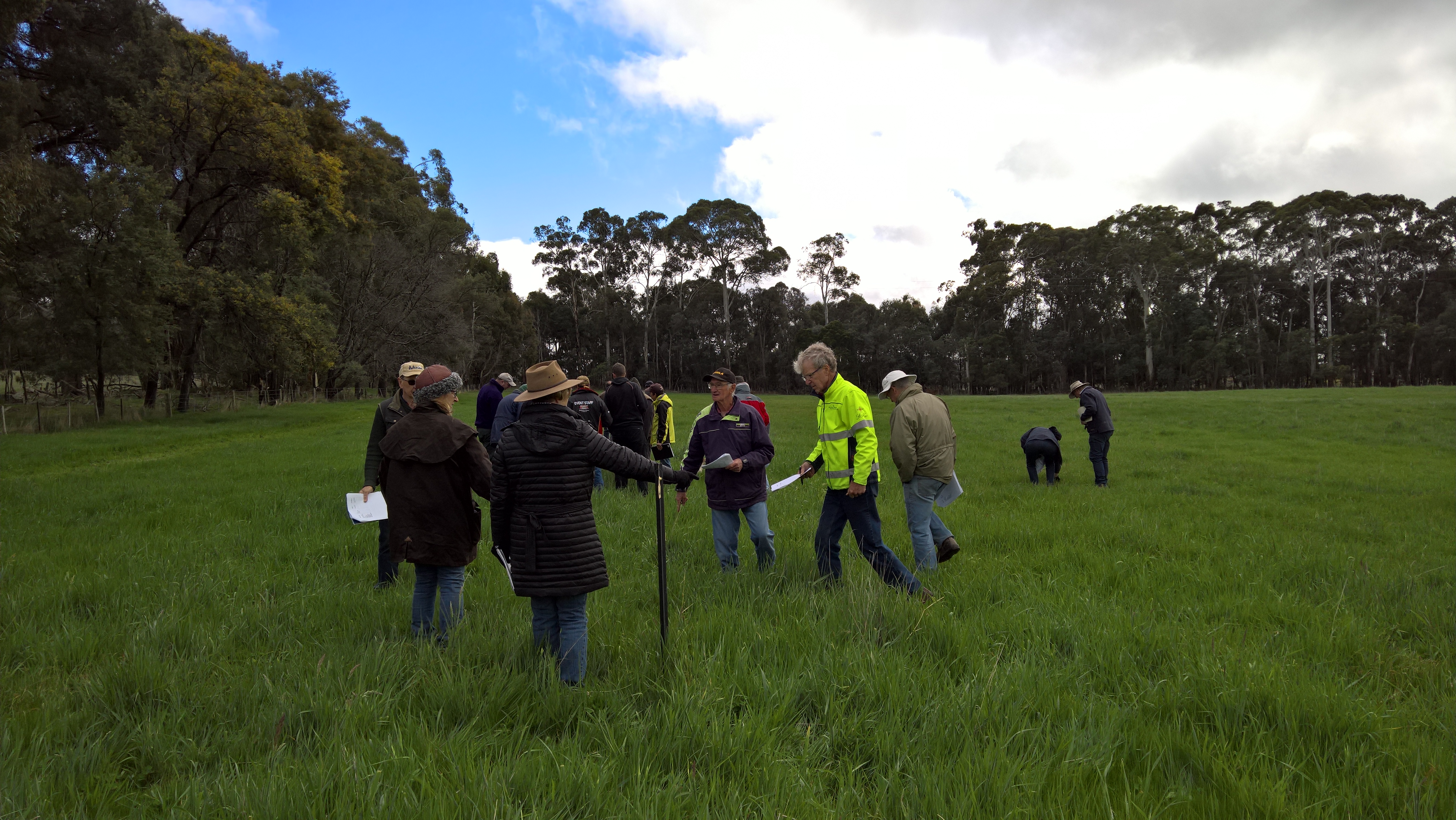
Strathbogie Tableland Landcare Group presently has over 30 members with a wide diversity of interests including tree planting, soil health, pasture improvement, weed and pest animal control, care of local walking trails, farm visits and discussions, wildlife surveys, as well as ongoing pasture and fertiliser trials.
Our members include local farmers and residents in the district and we encourage everyone to join – particularly those who are new to Strathbogie.
Call our Secretary, Peter Righetti, with any questions or queries on 0418 148 511.
2023 Committee
Co-Presidents: Peter Righetti
Secretary: Peter Righetti: [email protected]
Treasurer: Julian Trescowthick
Committee: Andrew Townsend, Bertram Lobert, David Jamieson, Henry O’Connor, Kath Handasyde
Membership
An annual membership fee of $10 is all that is required to join SL. Why not join us? We enjoy the work, good company and the rewards of helping the local farming community and environment!
The total amount can be paid either by cheque or direct deposit to:
Strathbogie Landcare BSB 803078 Account No. 100 081 991 using your name as reference and notifying any of the Committee Members.
Strathbogie Tablelands Landcare Group projects include:
- Alternative fertiliser trial
- Pest Plant and animal control
- Roadside weed program in conjunction with the Strathbogie Shire
- Tree planting programs
- Soil and pasture improvement
- Wildlife surveys
- Farm visits and Open Days

This group is supported by the Gecko Clan Landcare Network – Landcare Facilitator: 0448 908 690.


Strathbogie Planting Day funded by Landcare Australia/AusNet grant
Back in September and early October 2025, the Strathbogie Landcare Group rolled up their sleeves and planted 215 native trees across two local sites. The trees, funded through a Landcare Australia and AusNet grant, will grow to provide vital habitat for native wildlife and help create important vegetation corridors across the landscape near Mt Wombat. Over time, this planting will contribute to greater biodiversity, improved landscape connectivity, and a more resilient local ecosystem.